Explore Bhutan Beyond the Ordinary
Travel Guide
Everything you need to know before travelling to Bhutan.
How to travel to Bhutan
Travelling to Bhutan is a straightforward process when planned in advance. Most international visitors arrive by air through Paro International Airport, while overland entry is also possible from India. Whether you're joining a guided tour or arranging a custom itinerary, planning ahead ensures a smooth and enjoyable journey.
By Land
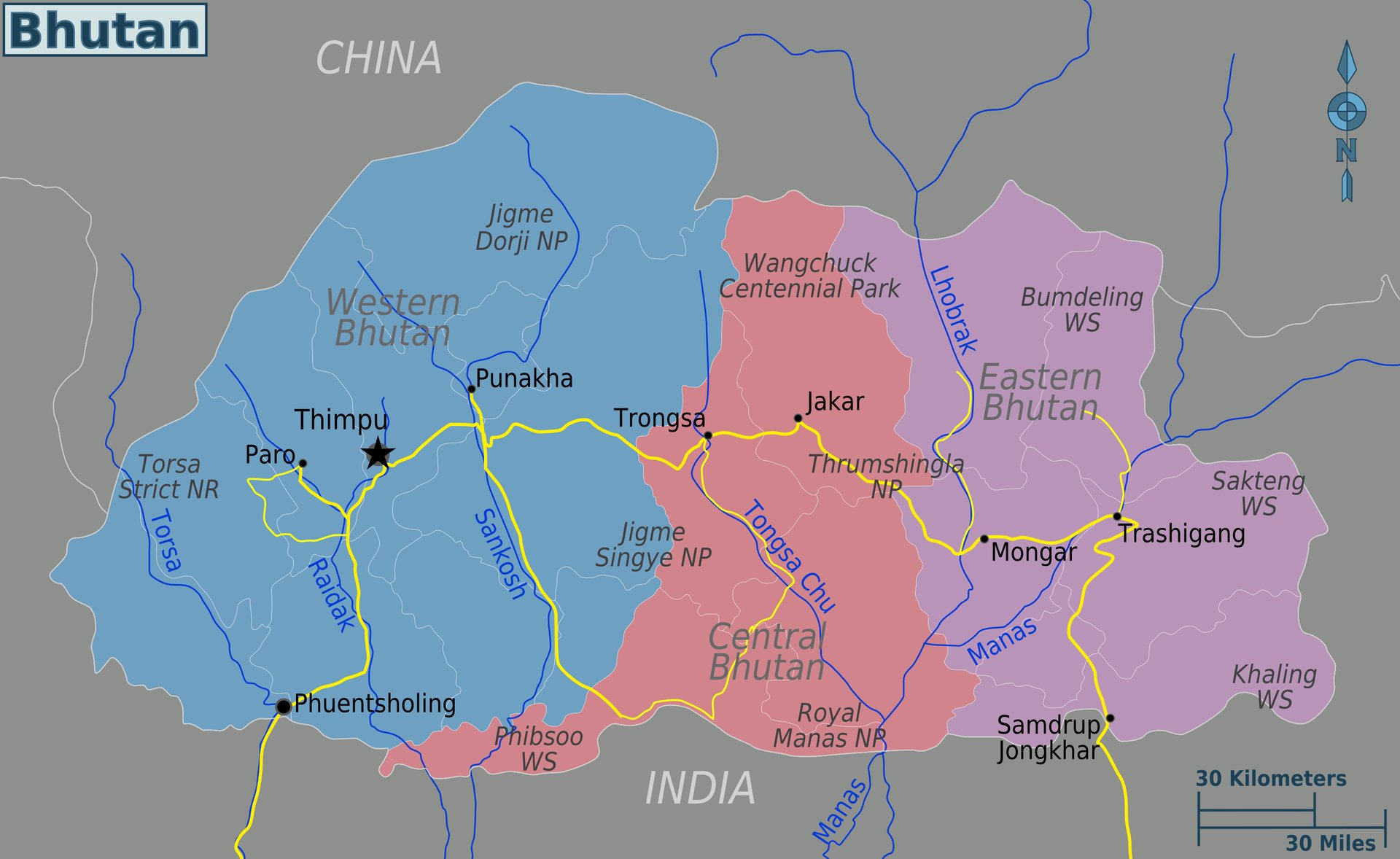
Visitors may also enter Bhutan by road through designated border crossings with India, including Phuentsholing (western Bhutan), Gelephu (south - central Bhutan), and Samdrup Jongkhar (eastern Bhutan). Overland travel is popular for visitors combining Bhutan with neighbouring regions.
By Air
Most travellers fly into Paro International Airport, Bhutan's only international airport. Direct flights operate from selected cities in countries such as India, Nepal, Thailand, Singapore, and Vietnam.
Quick Tips
Book flights early during peak travel seasons.
Carry a valid passport with at least six months' validity.
Allow sufficient time for connecting international flights.
Check entry requirements before travelling.
Planning Your Journey
Most trips are arranged through a licensed Bhutanese tour operator, who can assist with visa applications, accommodation, transport, guides, and personalised itineraries. Planning ahead is recommended, particularly during the spring and autumn travel seasons.
Visa & Entry Requirements
Most international visitors require a visa to enter Bhutan. The application process is straightforward and is typically arranged by a licensed Bhutanese tour operator before your arrival.
Before You Travel
Ensure your passport has sufficient validity.
Carry a printed or digital copy of your visa clearance letter.
Confirm your travel itinerary and flight details before departure.
Check the latest entry requirements before travelling, as policies may change.
Who Needs a Visa?
All international visitors, except citizens of India, require a visa to enter Bhutan. Citizens of India require an entry permit instead, while citizens of Bangladesh and Maldives benefit from special arrangements but should still check the latest entry requirements before travelling.
How to Apply
Your visa application is usually submitted on your behalf by your licensed Bhutanese tour operator. Once approved, you will receive a visa clearance letter, which is presented when boarding your flight and upon arrival in Bhutan.
Required Documents
A passport valid for at least six months from your date of entry.
A recent passport-sized photograph (if required).
Confirmed travel arrangements through a licensed Bhutanese tour operator.
Best Time to Visit Bhutan
The best time to visit Bhutan depends on the experience you are looking for, with each season offering distinct landscapes, weather conditions, and cultural highlights.
Quick Recommendation
Best overall seasons: Spring and Autumn
Best for fewer crowds: Winter
Most budget-friendly travel: Summer (monsoon season)
Spring (March to May)
Pleasant weather with clear skies and blooming valleys
Ideal for trekking and cultural sightseeing
Vibrant festivals such as Paro Tsechu in some regions
Autumn (September to November)
Clear mountain views and stable weather conditions
Peak season for photography and trekking
Major festivals and cultural events across the country
Winter (December to February)
Cold but generally clear weather in many regions
Fewer tourists and quieter attractions
Best for lower-altitude cultural visits
Summer / Monsoon (June to August)
Frequent rainfall, especially in western and southern regions
Lush green landscapes and fewer tourists
Some trekking routes may be affected
Bhutan Travel Costs
Travel costs in Bhutan are generally structured around an all-inclusive daily package, which covers most essential services including accommodation, meals, transport, and licensed guides.
Budget Expectations
Standard travel: Moderate to premium (due to regulated model)
Luxury tours: Higher-end accommodations and personalised services
Short trips: Higher daily average due to fixed cost structure
Daily Package Cost
Bhutan follows a regulated tourism model with a daily Sustainable Development Fee (SDF) and additional service costs depending on your travel arrangements.
Daily SDF applies per visitor per night
Lower rates may apply for regional visitors (subject to current policy)
Costs vary depending on season and service level
What Is Usually Included
Accommodation in approved hotels
Licensed guide services
Private transportation within Bhutan
Meals (breakfast, lunch, dinner)
Internal logistics and permits
What Is Usually Not Included
International flights
Travel insurance
Personal expenses (souvenirs, drinks, tips)
Optional activities not in the itinerary
Quick Note
Travel costs in Bhutan are designed to support sustainable tourism and preserve cultural and environmental heritage, rather than mass-budget travel models.
Packing Guide
Packing for Bhutan depends on the season and regions you plan to visit, as weather can vary significantly between valleys and higher-altitude destinations.
Seasonal Additions
Spring & Autumn: Light jacket + layers for cool mornings and evenings
Winter: Heavy jacket, gloves, thermal wear, and warm accessories
Summer: Light rain jacket or waterproof outer layer
Cultural Considerations
Modest clothing for monasteries and religious sites
Avoid revealing outfits in sacred areas
Comfortable attire for long sightseeing days
Clothing Essentials
Layered clothing for changing temperatures
Warm jacket (especially for autumn and winter)
Light breathable clothing for spring and summer
Comfortable walking shoes for sightseeing and short hikes
Quick Tip
Even in warmer months, Bhutanese mornings and evenings can be cool, so layering is always the safest approach.
Travel Essentials
Valid passport and travel documents
Basic personal medications
Sunscreen and sunglasses (high UV exposure at altitude)
Reusable water bottle
Power adapter (Type D, F, and G commonly used)
Cultural Etiquette
Bhutan has a deeply rooted cultural and spiritual heritage. Visitors are encouraged to respect local customs, religious sites, and community traditions throughout their journey.
Temple & Monastery Behaviour
Remove shoes before entering temples where required
Walk clockwise around religious monuments unless advised otherwise
Maintain a quiet and respectful presence inside sacred spaces
Follow guide instructions during visits
Social Etiquette
Greet locals politely and respectfully
Use both hands when offering or receiving items when appropriate
Avoid public displays of affection in rural or religious areas
Dress Code
Dress modestly, especially when visiting monasteries and dzongs
Cover shoulders and knees in religious sites
Avoid revealing or overly casual clothing in sacred areas
Quick Reminder
Bhutan is known as the “Land of the Thunder Dragon” and places strong emphasis on tradition, spirituality, and respect — mindful behaviour greatly enhances your travel experience.
Photography Guidelines
Always ask permission before photographing people
Some temples and religious artifacts may restrict photography
Avoid intrusive photography during prayers or ceremonies
General Respect
Do not touch religious objects unless permitted
Do not climb or sit on religious monuments
Respect local customs even if they differ from your own
Frequently Asked Questions
Here are answers to some of the most common questions travellers have when planning a trip to Bhutan.
Do I need a visa to visit Bhutan?
Yes. Most international travellers require a visa, which is arranged in advance through a licensed Bhutanese tour operator before arrival.
Can I travel to Bhutan independently?
No. Most international visitors must travel through a licensed tour operator as part of a pre-arranged itinerary. Exceptions apply to citizens of neighbouring countries under specific entry arrangements.
What is the best time to visit Bhutan?
The best seasons are spring (March to May) and autumn (September to November), when the weather is clear and ideal for sightseeing and trekking.
How expensive is a trip to Bhutan?
Bhutan follows a regulated tourism model with a daily Sustainable Development Fee and package-based travel costs. Overall trips are typically moderate to premium in price depending on travel style.
What currency is used in Bhutan?
The Bhutanese Ngultrum (BTN) is the local currency, and it is pegged to the Indian Rupee, which is also widely accepted.
Is Bhutan safe for tourists?
Yes. Bhutan is widely considered one of the safest travel destinations, with low crime rates and a strong focus on sustainable and responsible tourism.
Do I need travel insurance?
Yes, travel insurance is strongly recommended and often required by tour operators to cover medical emergencies, trip delays, and unexpected disruptions.
What languages are spoken in Bhutan?
Dzongkha is the official language, but English is widely used in tourism and education.
Can I use credit cards and ATMs?
Credit cards are accepted in some hotels and larger establishments, but cash is widely used. ATMs are available in major towns but may be limited in rural areas.
Final Tip
For the smoothest experience, it is best to book your trip through a licensed Bhutanese tour operator who can handle visas, logistics, and itinerary planning.
Rewang Tours & Travels
Discover Bhutan through curated journeys, iconic landmarks, and authentic experiences.
Contact
rewang.travels@gmail.com
+975-02-341137
+975-17667138
Bhutan
© 2026. All rights reserved. | Privacy Policy | Terms & Conditions
